
Domestic Abuse: Awareness, Risk & Support in Society
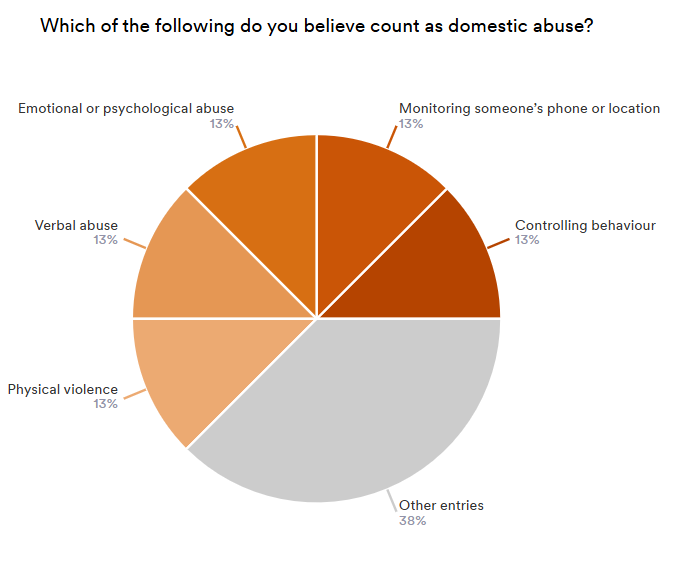
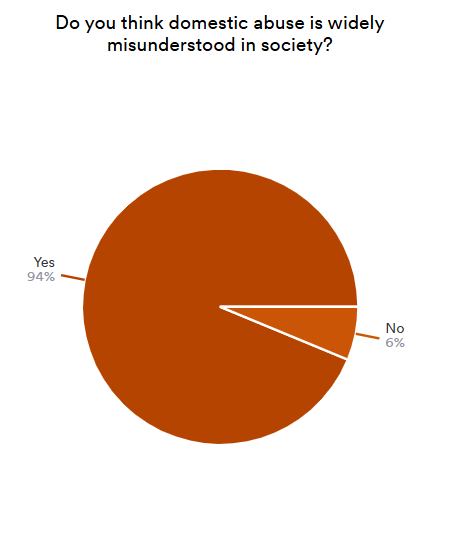
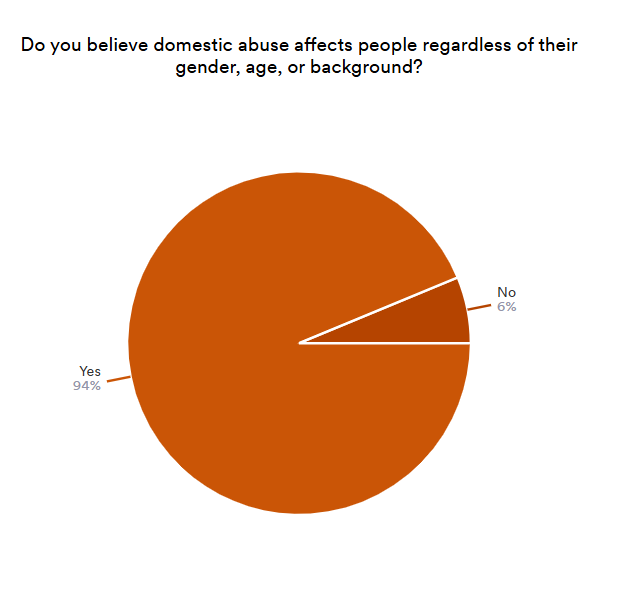
The results reveal strong awareness of domestic abuse as a societal issue, but also highlight significant gaps in understanding and confidence. While 94% believe domestic abuse is widely misunderstood and affects people regardless of gender, age or background, recognition of specific behaviours is fragmented, with only 13% identifying forms such as controlling behaviour, emotional abuse, or monitoring as abuse, and 38% selecting other responses.
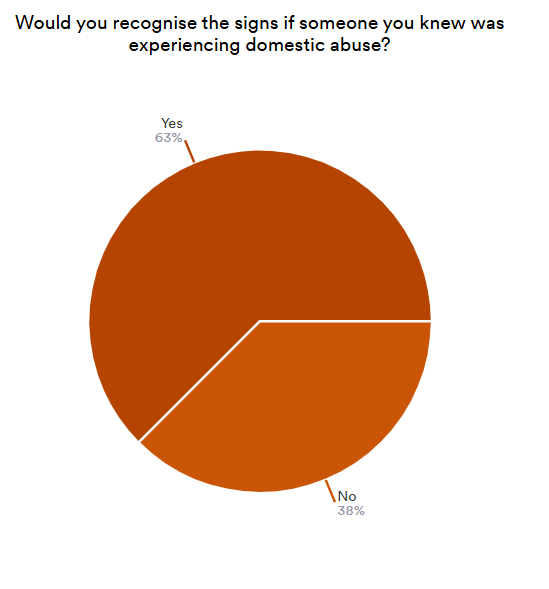
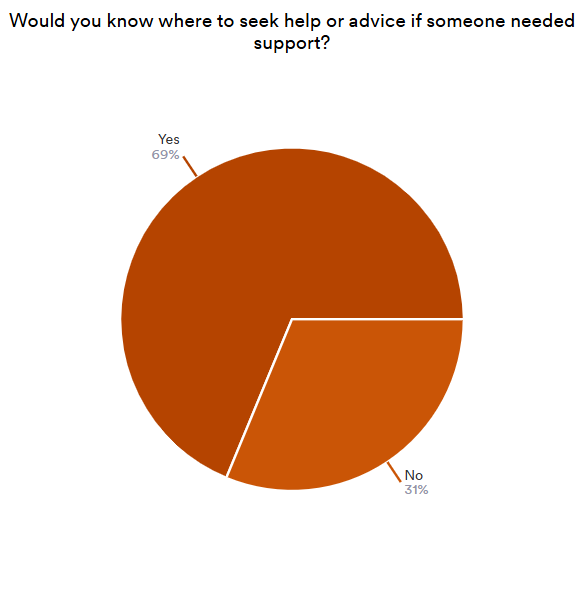
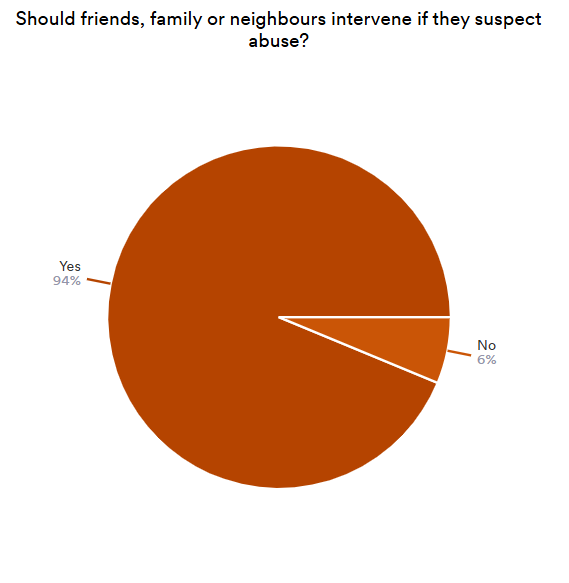
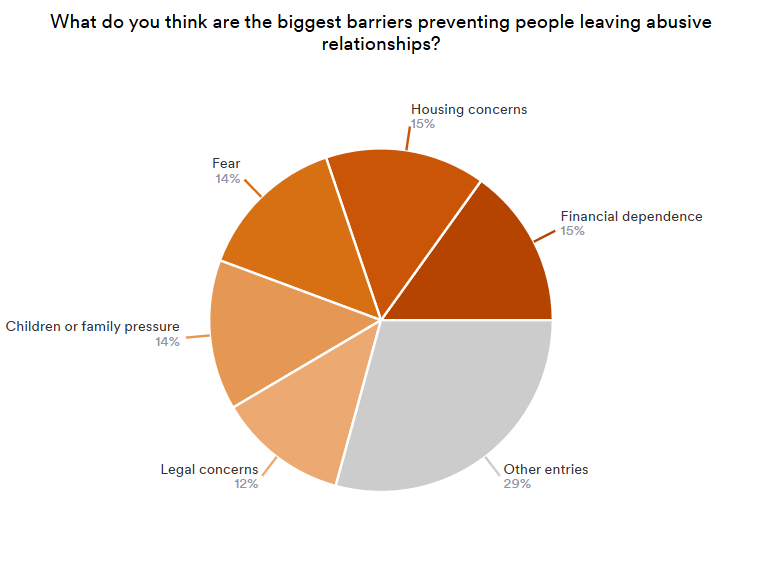
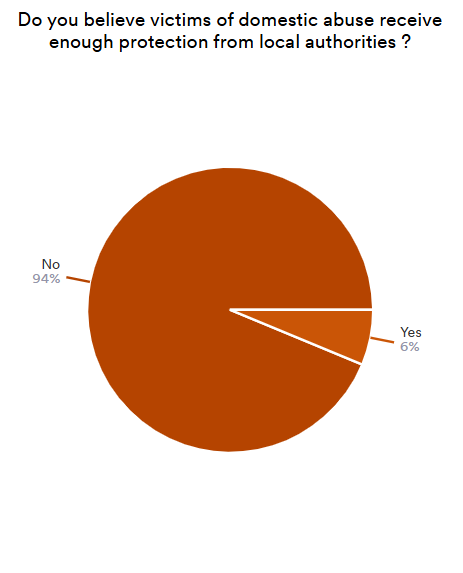
Confidence in responding is mixed: 63% believe they would recognise the signs, and 69% say they would know where to seek help, yet a notable minority remain unsure. Encouragingly, 94% believe friends, family or neighbours should intervene, but 94% also feel victims do not receive enough protection from local authorities. Barriers to leaving abusive relationships are varied, with financial dependence (15%), housing concerns (15%), fear (14%), and family pressures (14%) among the most cited.
💡 Insight:
The findings point to a critical disconnect: while awareness of domestic abuse as an issue is high, understanding of what it looks like in practice, particularly non-physical forms, remains limited. This gap can delay recognition, intervention and support. At the same time, strong agreement around intervention and widespread concern about insufficient protection highlights a clear public expectation for better systems, clearer guidance and more visible support pathways.
Importantly, the data reinforces the role of education, accessible resources, and community awareness in helping people identify abuse early and take action. It also highlights the need for joined-up approaches between communities, services and local authorities to ensure victims feel supported, protected and able to seek help safely.
Please view the visual and enhanced results here.
These results are subject to change as more responses are collected.
Want to share Your Voice?