
LGBT+ History Month
LGBT+ History Month is often framed around visibility, pride, representation and rights. While all of that matter, there’s a more common truth that rarely makes it into the headlines:
For many LGBT+ people, daily life still involves navigating spaces with caution, managing risk quietly, and making constant decisions about personal safety that others rarely have to consider.
LGBT+ History Month is a time to look back - not just to celebrate progress but to understand what it cost, who carried the risk, and why safety has always been central to the fight for equality.
The history of LGBT+ rights is not just a story of visibility. It is a story of survival, protection, community care and resistance in spaces that were often hostile, unsafe or actively dangerous.
And that history still shapes the present…
Facts That Matter (and Still Shape Safety Today)
🧠 LGBT+ people are more likely to experience anxiety and depression, often linked to discrimination, fear of harm and lack of safe spaces (not identity itself)
🚶 Many LGBT+ people modify their behaviour in public (routes, clothing, affection, travel times) purely to reduce risk
📉 Hate incidents remain underreported, often due to fear of not being believed, being outed, or facing further harm
📣 Visibility alone doesn’t equal safety: legal rights and representation don’t automatically translate into feeling protected day to day
🌍 Where inclusive safety measures exist, trust, reporting and wellbeing outcomes improve for everyone, not just LGBT+ communities
Many of the figures we now celebrate during LGBT+ History Month lived at a time when being visible could mean arrest, violence, job loss, or worse.
Activists didn’t just fight to be seen - they fought to be safe, to be housed, to be protected, and to be believed.
That legacy matters, because while laws and attitudes have changed, the relationship between visibility and risk hasn’t disappeared, it has evolved.
Everyday Safety Isn’t Equal and What Inclusive Safety Actually Looks Like
History shows us that visibility without protection has never been enough.
Two people can stand in the same place and experience it completely differently. Identity, expression, visibility and past experiences all shape how safe someone feels, and how supported they expect to be if something goes wrong.
Inclusive safety isn’t about special treatment. It’s about fair protection. It means:
Clear routes to support when someone feels unsafe
Visible, trusted signposting to help and resources
The ability to share journeys, locations or concerns discreetly
Community-led information that reflects real risks and real needs
Prevention tools that work before harm escalates
Studies consistently link higher rates of anxiety, depression and stress among LGBT+ people to experiences of discrimination, exclusion and fear of harm, including the anticipation of harm.
This matters because safeguarding isn’t only about responding to incidents. It’s about preventing harm, reducing stressors and creating environments where people feel supported before they reach crisis point.
For many, the question isn’t “Will something happen?” - it’s “What happens if it does?”
🌈The Reality Behind the Rainbow - Legacy That Shapes Wellbeing Today
UK data and lived experience consistently show that the long-term impact of historical exclusion hasn’t vanished. It shows up in:
Harassment, abuse or intimidation in public spaces
Hate incidents that go unreported due to fear or lack of trust
Anxiety around travel, nightlife, events and unfamiliar environments
Poorer mental wellbeing linked to chronic stress and hyper-vigilance
For many, the risk isn’t just physical. It’s emotional and psychological - the constant awareness of being visible in spaces that weren’t designed with you in mind.
This is why awareness alone isn’t enough.
Modern Voices: Visibility Without Protection Isn’t Enough
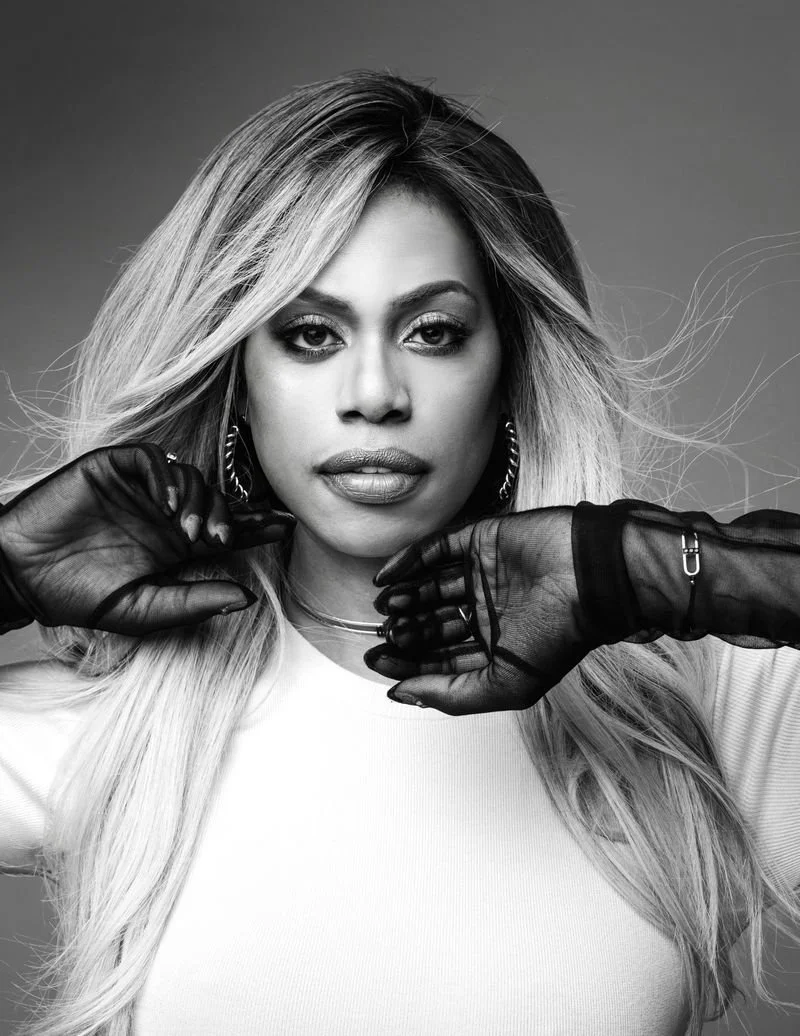
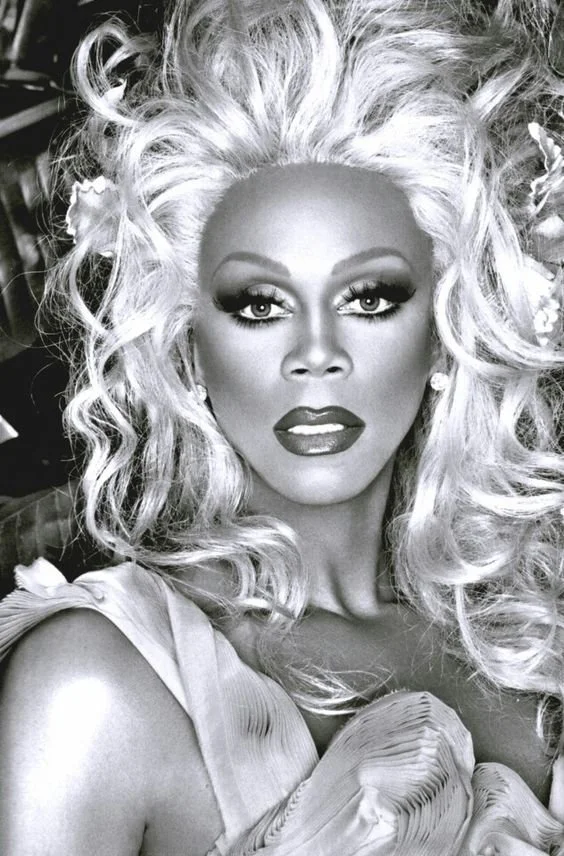
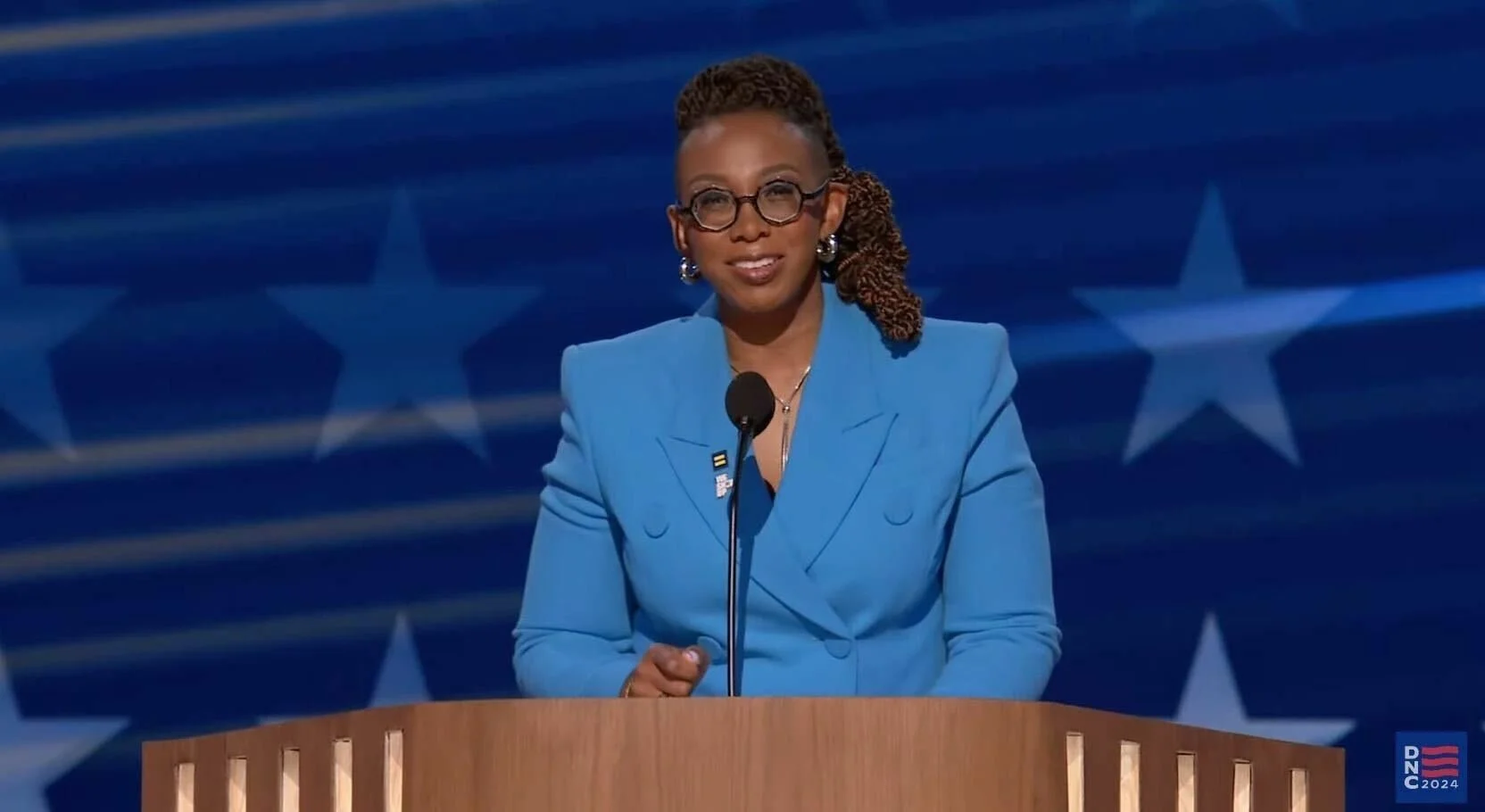
Many modern LGBT+ voices are clear on this: being seen can increase risk when systems don’t change alongside culture. These individuals use their platforms not just to exist publicly but to push for protection, dignity, wellbeing and accountability:






Turning Reflection Into Action And Prevention
If the past teaches us anything, it’s that safety cannot be left to individuals to manage alone.
Awareness campaigns play an important role but further action and prevention requires infrastructure.
This is where digital safety, safeguarding and wellbeing platforms like imabi can make a meaningful difference (not as replacements for frontline services but as connective tissue between people, places and support).
imabi was built around this principle: not to tell people to be careful but to help communities actively reduce risk, improve access to support, and make safety more equitable in practice.
By bringing together personal safety tools, local information, trusted signposting and community insight, imabi helps bridge the gap between intention and lived experience.