
Employment Rights Act 2025: The New Harassment Duties for Employers
From 30 October 2026, the Employment Rights Act 2025 strengthens employers’ responsibilities in England, Scotland and Wales. Employers must take all reasonable steps to prevent sexual harassment and can be held liable for harassment by third parties, such as customers, clients or patients, where they fail to take all reasonable steps to prevent it.
This guide explains the changes, what employers should review, and how imabi can support prevention, reporting and monitoring arrangements.
Act now with imabi to strengthen your prevention and reporting ahead of 30 October 2026.
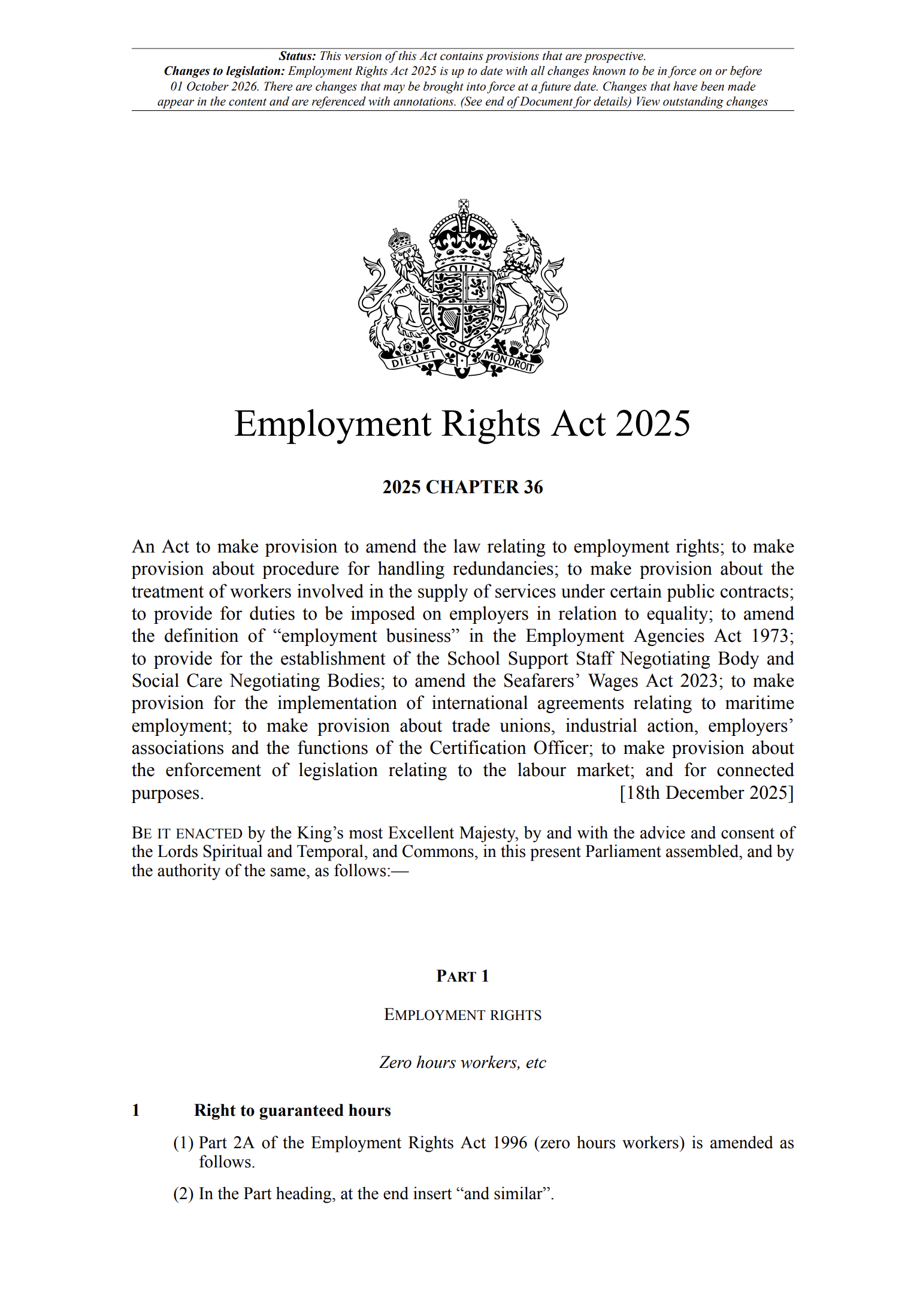
Read the Employment Rights Act 2025 on legislation.gov.uk
“Preventing harassment means making it easier for people to raise concerns, listening to what they tell you and acting on it.
Technology can support that work, but employers must lead it”
The Worker Protection Act 2023 already requires employers in England, Scotland and Wales to take reasonable steps to prevent sexual harassment.
The Employment Rights Act 2025 strengthens that duty and introduces new liability for third-party harassment.
This guide explains the key changes, helping you protect your people, record your preventative actions and build a workplace culture based on safety and respect.
Understanding the Employment Rights Act 2025: Harassment duties
What is changing — What it means for employers — How to respond
Two key changes to workplace harassment law
1. A stronger duty to prevent sexual harassment
Since 26 October 2024, employers have been required to take reasonable steps to prevent sexual harassment. From 30 October 2026, this becomes all reasonable steps. Employers must take every step that is reasonable for their organisation, considering its size, sector and working arrangements: not simply select some preventative measures
2. New employer liability for third-party harassment
From 30 October 2026 employers must not permit third parties to harass employees in the course of their employment. Under the new provisions, an employer permits harassment where it occurs and the employer has failed to take all reasonable steps to prevent it. This covers harassment under the Equality Act 2010, beyond sexual harassment alone.
What employers should review now
Effective prevention needs more than a policy. Employers should review how they identify harassment risks, make reporting accessible and act on concerns, including incidents involving customers, clients and other third parties.
Identify risks: consider where staff encounter third parties, including public-facing roles, home visits, events and online contact.
Make reporting accessible: give people clear ways to raise concerns, explain what happens next and offer anonymous reporting where appropriate.
Act and keep records: respond to concerns, record actions and review patterns across teams and locations to inform prevention.
imabi can support these arrangements through accessible reporting, location-linked reports and a dashboard to manage concerns, identify recurring issues and record actions: working alongside your organisation’s policies, training and risk assessments.