
Personal Safety at a Festival: How to Look After Yourself This Summer
Festival season is here, bringing live music, outdoor events and opportunities to make lasting memories with friends. Whether you are attending for one day or camping for the whole weekend, a little preparation can help you feel safer, more confident and better able to enjoy the experience.
Festival safety is about knowing what support is available, looking out for yourself and others, and having a plan should you become separated, feel unwell or find yourself in an uncomfortable situation. It is not about expecting something to go wrong.
Here are some practical ways to stay safe, connected and informed at festivals this summer.

Before You Go
The line-up may be the first thing you look at, but it is also worth spending a few minutes reviewing the festival’s official safety, travel and accessibility information.
Check Festival’s Safety Information
The venue layout and site map
Entry and security arrangements
Emergency exits and evacuation points
Medical and welfare facilities
Water refill points
Accessible entrances, toilets, viewing areas and campsites
Lost property and lost-person procedures
The festival’s prohibited-items and bag policies
Any weather warnings or last-minute travel updates
Security checks can take time, so arrive early, carry only what you need and follow instructions from event staff. If something does not feel right, tell a steward or security team rather than assuming someone else will report it.
Download or screenshot the festival map and important information before arriving. Mobile networks can become congested at large events, and you may not always be able to rely on a strong signal.
Check Accessibility Arrangements
Everyone should be able to attend live events safely and with dignity. Depending on the event, accessibility provisions may include:
Personal assistant or companion tickets
Accessible parking and entrances
Viewing platforms or designated viewing areas
Accessible toilets and washing facilities
Accessible campsites
Hearing loops, captioning or British Sign Language interpretation
Quiet or sensory spaces
Medication storage and charging points for essential equipment
Some facilities must be requested or booked in advance, so contact the festival’s accessibility team as early as possible. Attitude is Everything encourages venues and festivals to make accessibility information clear from the beginning and to consider disability equality throughout the complete event experience.
Make a Plan With the People You Are Going With
Festivals are busy, noisy environments, and groups can easily become separated. Before entering the site:
Choose an obvious meeting point
Agree when and where you will regroup
Share your travel and accommodation plans
Make sure everyone knows how they are getting home
Save each other’s phone numbers rather than relying only on messaging apps
Check that everyone has enough phone battery
Avoid choosing a stage, bar or temporary structure as your meeting point, as these may be difficult to identify in a large crowd. A fixed landmark, information point or clearly numbered entrance is usually more practical.
You can also use imabi’s location tools to share your journey with trusted contacts, confirm when you have arrived and ask someone you trust to call or collect you through Rescue Me. These tools can provide additional reassurance without requiring you to constantly message your location throughout the day.
Keep Your Phone Working
Your phone may be important for accessing tickets, maps, transport information and contact details.
Before leaving:
Fully charge your phone
Bring a charged portable power bank
Enable emergency contact information on your lock screen
Save important numbers
Screenshot tickets, travel plans and booking confirmations
Consider writing one trusted contact’s number on a card as a backup
Use your phone securely in crowded areas and avoid leaving it unattended while charging.
Alcohol and Other Drugs At Festivals
Festivals are a place to let your hair down and have a good time, but overdoing it can become a problem for you, and your friends.
Look After Your Drinks and Know the Signs of Spiking
Spiking is giving someone alcohol or drugs without their knowledge or consent. It can happen to anyone and may involve alcoholic or non-alcoholic drinks, food or other substances.
To reduce the risk:
Do not leave your drink unattended
Avoid accepting an opened drink from someone you do not know or trust
Watch drinks being poured or opened
Do not share drinks
Look out for your friends as well as yourself
Tell festival staff if a drink looks, tastes or smells unusual
Someone who has been spiked may appear much more intoxicated than expected or experience confusion, dizziness, nausea, difficulty speaking, memory loss or loss of coordination.
If you or someone you are with suddenly feels strange or unwell:
Tell a trusted friend immediately.
Alert festival staff, security or the medical team.
Move to a safe place.
Do not leave the person alone.
Do not allow them to leave with someone they do not know.
Call 999 if they are unconscious, having difficulty breathing or in immediate danger.
Police guidance advises getting to safety, telling the people you are with and seeking support from festival staff or security as soon as possible.
Spiking is never the victim’s fault. It can be reported even when some time has passed or when you do not have every detail about what happened.

Respect Boundaries and Look Out for Others
Crowded festivals can sometimes create situations in which people feel pressured, uncomfortable or unsafe.
Consent must always be freely given and can be withdrawn at any time. Someone who is asleep, unconscious or severely intoxicated cannot consent.
Check in with your friends and take concerns seriously. If someone says they feel uncomfortable, help them move to a safer area, locate festival staff or contact someone they trust.
When approaching someone who may need help, you could simply ask:
“Are you okay?”
“Are you here with someone?”
“Would you like me to find a steward?”
“Would you like me to stay with you while you call someone?”
If intervening directly could place you at risk, alert security or event staff instead.
Camping Safety at Festivals
Camping can be a memorable part of the festival experience, but it helps to prepare properly.
Practise Putting Up Your Tent
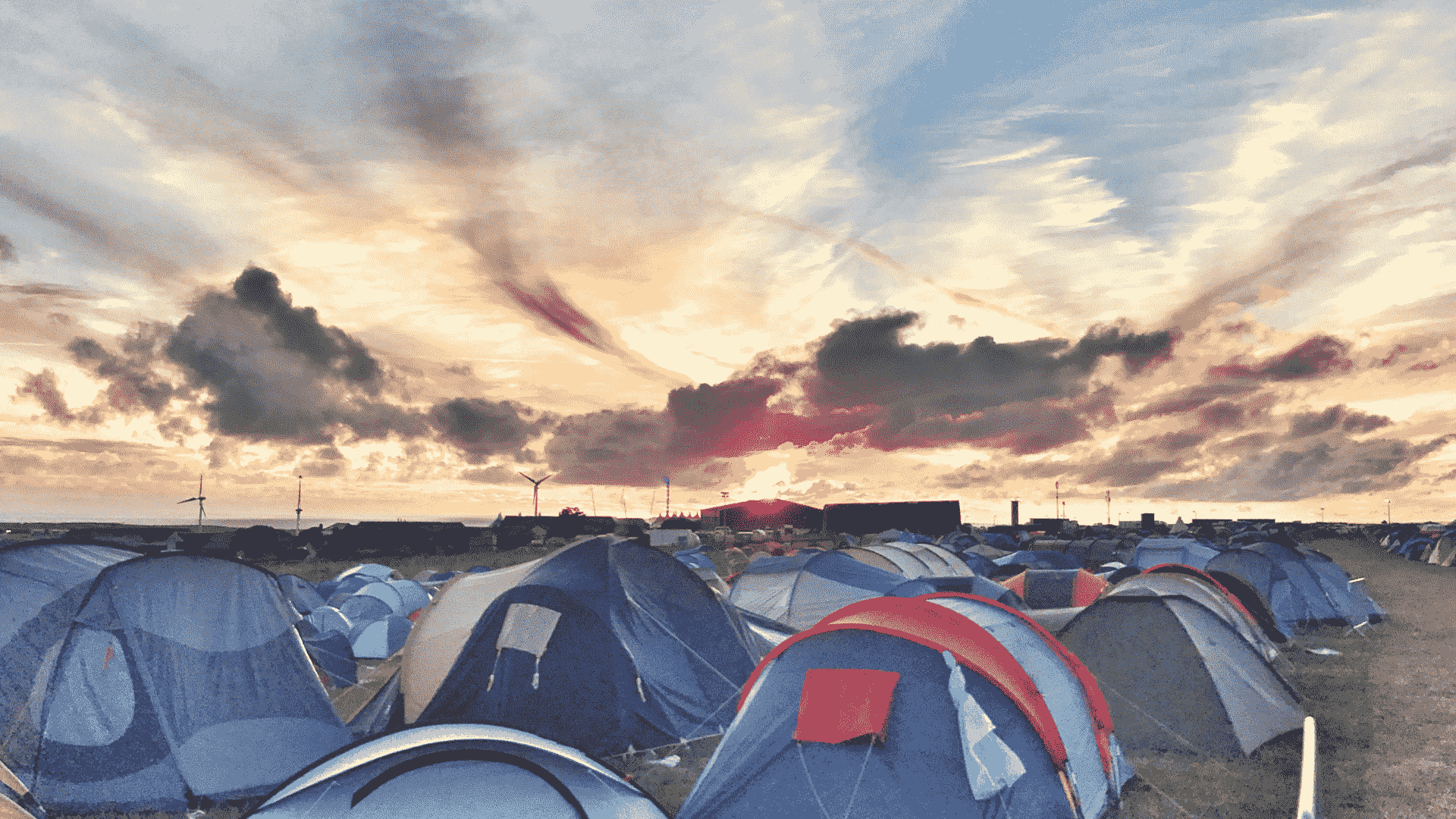
Before travelling, check that your tent is complete and practise putting it up. Make sure you have the correct poles, pegs and weather protection. Set up only within the designated campsite and keep paths, emergency routes and fire lanes clear.
Make Your Tent Easy to Find
Large campsites can look very different in the dark. Save the name or number of your camping area and note nearby landmarks. A recognisable flag or decoration may make your tent easier to locate, but follow the festival’s rules and avoid anything that could block paths, cause injury or create a fire risk.
Do Not Leave Valuables in Your Tent
A tent is not secure storage. Keep your phone, wallet, identification, keys and essential medication with you or use official lockers where available.
Protect Yourself From the Weather
British festival weather can change quickly. Pack for sunshine, rain, wind and cooler evenings. Useful items may include:
Waterproof clothing
Warm layers
Sturdy footwear
Spare socks
Sun protection
A refillable water bottle
A torch or head torch
Never bring camping stoves, disposable barbecues or other prohibited equipment into your tent. Follow the event’s fire and cooking rules.
Take Everything Home
When the festival ends, take your tent and belongings with you. Even damaged tents should be removed and disposed of responsibly rather than left for festival staff and volunteers.
Festival Travel Advice
Do not wait until the final performance ends to decide how you are getting home.
Before travelling:
Check the festival’s recommended routes and postcode
Confirm the location of official entrances, car parks and pick-up points
Check the last train, bus or shuttle times
Book accommodation or trusted transport in advance
Allow additional time for queues, road closures and security checks
Agree what you will do if transport is delayed or cancelled
Use licensed taxis or reputable private-hire services. Confirm the vehicle and driver details before getting in, and avoid accepting lifts from people you do not know.
If driving, check your tyres, lights, fuel or charge level and essential fluids before setting off. Never drive while tired, impaired or over the legal alcohol limit.
Once parked, photograph your location and note the car park section, entrance or nearby landmark. It can be much harder to find your vehicle after dark among thousands of others.
Looking After Your Health At A Festival
Stay Hydrated and Take Breaks
Festivals can involve hours of walking, dancing and standing outdoors.
Bring an empty refillable bottle where permitted and locate the water points when you arrive
Drink regularly rather than waiting until you feel extremely thirsty, and alternate alcoholic drinks with water
Dehydration can become serious if it is not addressed. Warning signs may include thirst, dizziness, tiredness, a dry mouth and dark yellow urine.
Know your limits with alcohol and other substances. Mixing substances can make their effects unpredictable and may increase your vulnerability or risk of becoming unwell.
Seek medical support early if you or a friend feels unwell. Festival medical teams are there to help, not to judge.
Protect Yourself From Heat and Sun
Even when the weather does not feel particularly hot, spending many hours outdoors can increase the risk of sunburn, dehydration and heat-related illness.
Pack sunscreen, sunglasses, light clothing and a hat. Reapply sunscreen regularly and seek shade where possible, particularly between 11am and 3pm, when UV exposure is often strongest.
Signs of heat exhaustion can include:
Headache
Dizziness
Nausea
Weakness or tiredness
Excessive sweating
Muscle cramps
Intense thirst
Move the person to a cooler place, help them rest and offer fluids. Call 999 if they become confused, lose consciousness, have difficulty breathing or appear seriously unwell, as heatstroke is a medical emergency.
Know Where to Find Help
Do not wait for a situation to become an emergency before asking for support.
Festival staff, stewards, security teams, welfare services and medical teams are there to help with issues including:
Feeling unwell
Becoming separated from your group
Harassment or unwanted attention
Suspected spiking
Lost belongings
Accessibility concerns
Feeling overwhelmed or distressed
Witnessing something that does not feel right
For immediate danger or a medical emergency, call 999.
Through imabi, you can also find trusted safety and wellbeing information, locate mapped support and Safe Places where available, access reporting routes and use location tools to stay connected with the people you trust.
Downloading imabi and setting up your trusted contacts before leaving means the tools are ready should you need them during your journey or at the event.

