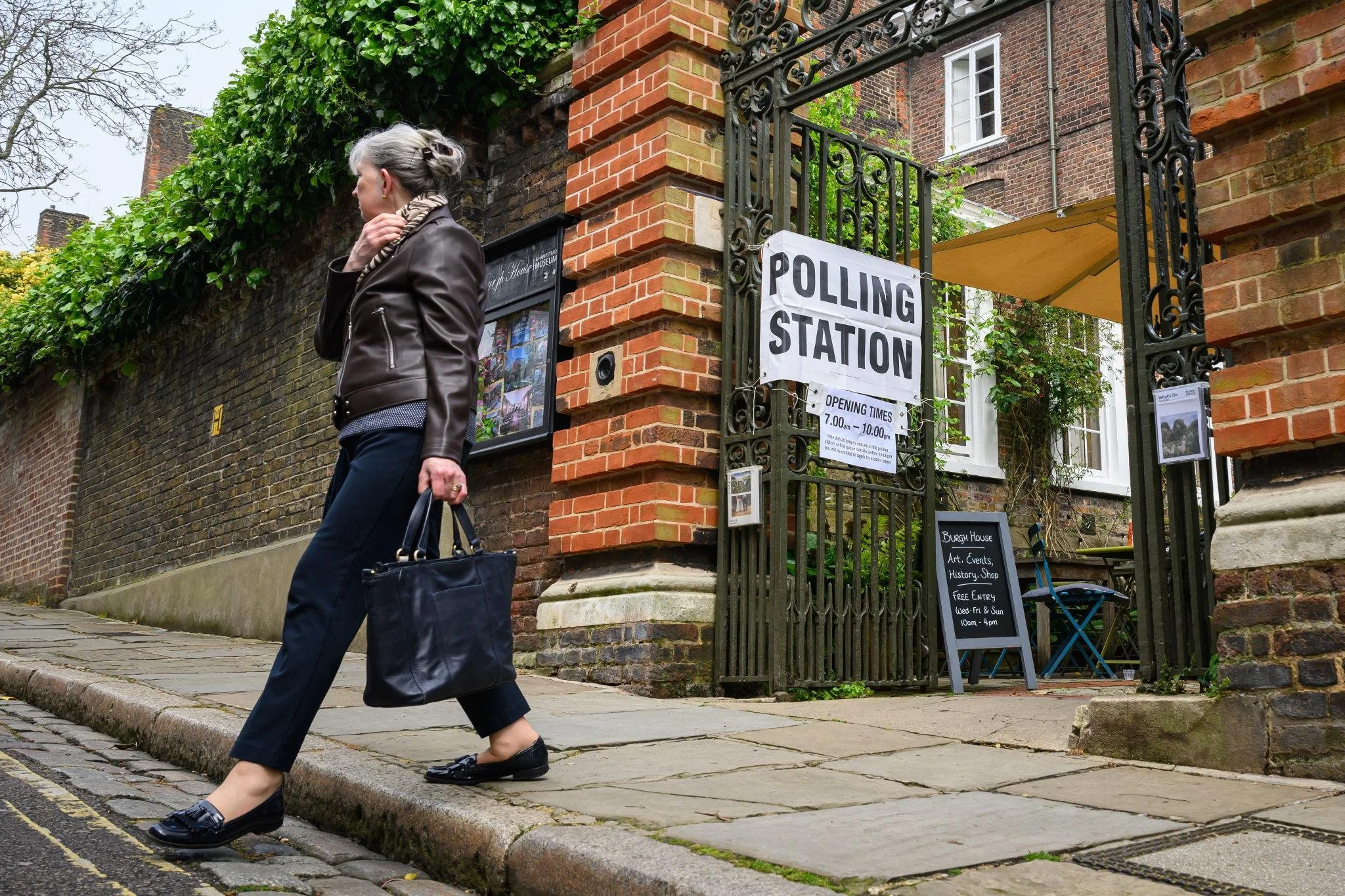
Election Day: A Confidence Guide for New and Existing Voters
Voting day can feel straightforward for some…and overwhelming for others.
For first-time voters, there may be uncertainty around what to expect, what to bring, where to go, or even whether asking for help is “allowed”. For regular voters, changes in polling station locations, ID requirements, or local issues can still create confusion.
Beyond the logistics, elections often happen against a backdrop of heightened public tension, debate, and emotion.
Confidence on election day is about knowing who to vote for as much as it’s about knowing how to navigate the day safely, calmly and informed.
Here’s a practical confidence guide to help voters feel prepared.
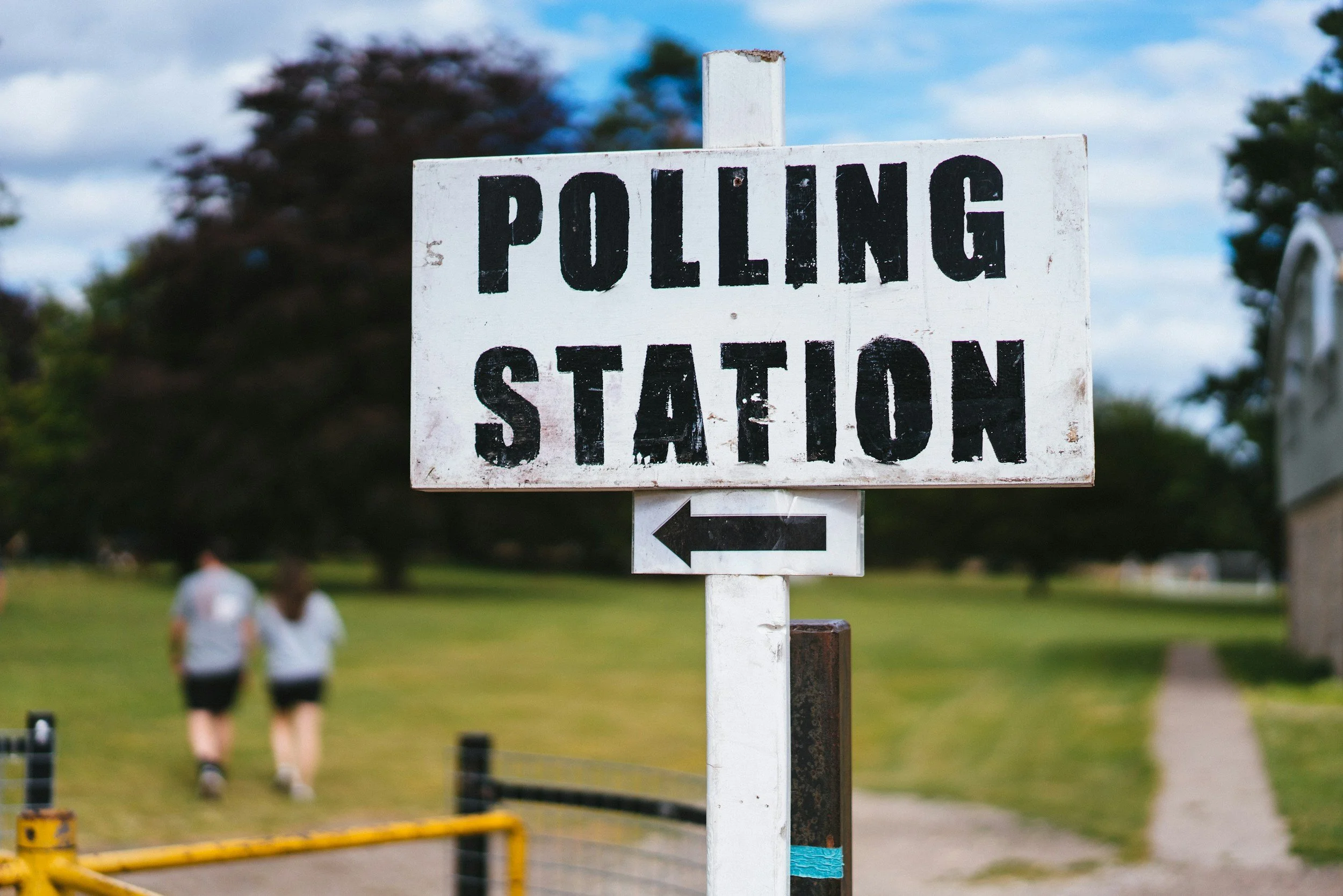
1. Know Where You’re Voting Before You Leave
One of the most common election day issues is arriving at the wrong polling station.
Polling stations can change between elections.
Before heading out:
✔ Check your polling station location
✔ Check opening times
✔ Plan your route
✔ Allow extra travel time
If travelling alone, especially early morning or later in the evening, planning ahead reduces unnecessary stress.
Check the imabi Travel Guardian Noticeboard to access the Electoral Commission portal and check local voting information quickly.
2. Check What ID You Need
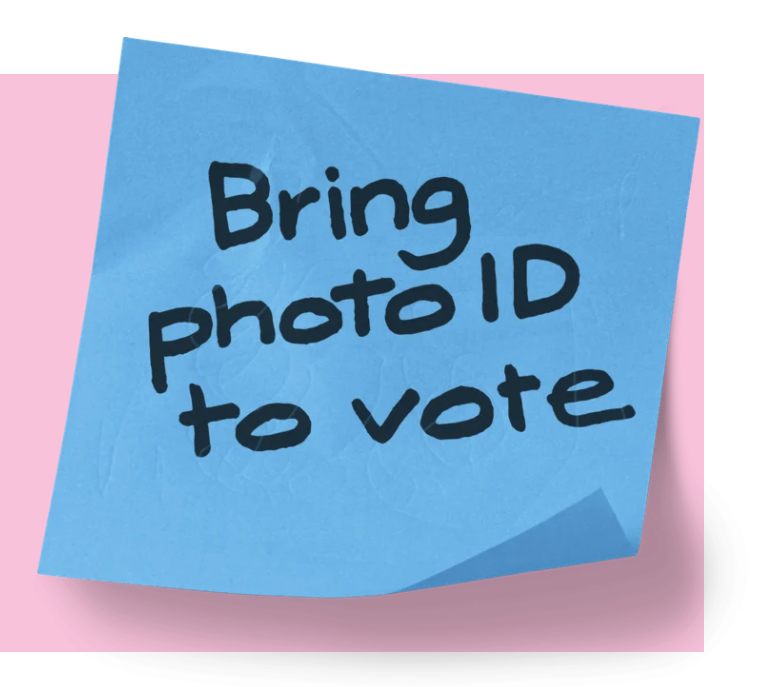
Voter ID rules remain one of the biggest causes of disruption at polling stations.
In many elections across the UK, valid photo ID is required. Examples may include:
• Passport
• Driving licence
• Certain concessionary travel cards
3. What Happens at the Polling Station
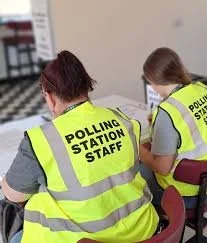
You arrive: polling staff will welcome you and guide you
You confirm your details: they check your name and address
You receive your ballot paper: staff can explain the process but cannot influence your decision
You vote privately: on yorusually inside a booth
You place your ballot in the ballot box
4. If You Feel Intimidated, Speak Up
Most polling stations are calm and respectful but elections can create tension.
If anyone:
• Challenges you
• Pressures you
• Attempts to influence your vote nearby
• Makes you feel unsafe
Report it immediately to polling staff.
5. Your Journey After Voting
This is especially relevant if:
Voting after dark
Using public transport
Walking alone
Travelling in unfamiliar areas
Practical safety steps:
✔ Share your journey
✔ Charge your phone
✔ Know transport options
✔ Avoid isolated shortcuts